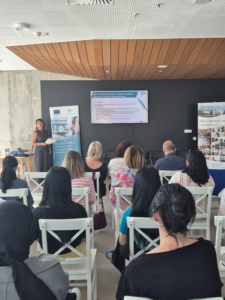
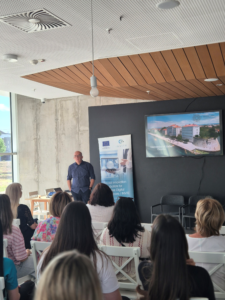
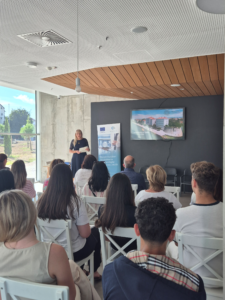
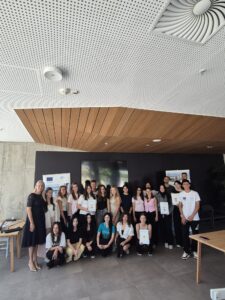
During September 10 – 13 2026, Zadar became a meeting point for students, teachers, mentors and project partners involved in the INVITE – Social Innovation Incubators for inclusive Digital Healthcare project. As one of the final major activities organized within the project, the programme brought the student Social Innovation Incubator to its final implementation phase and create space for 18 students from medical vocational schools from Croatia, Slovakia, and Türkiye to transform user insights to practical ideas for more inclusive digital healthcare.
Day 1: From summer work to a clear user-centered problem
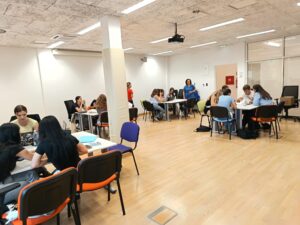
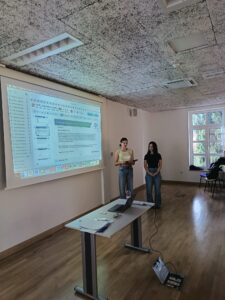
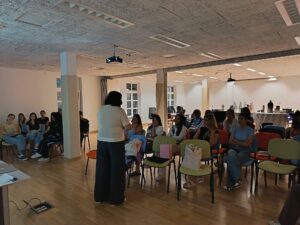
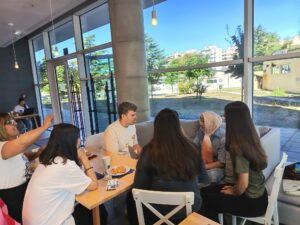
The first working day focused on reconnecting with the INVITE Social Innovation Incubator and consolidating the students’ preparatory summer work. Working in mixed teams, students reviewed user profiles and Empathy Maps, identified key insights and “wow moments”, refined their problem statements and clarified assumptions or missing information. The aim was to create a strong user-centered starting point for the following stages of the programme. As the part of the first day, participants also visited Zadar General Hospital, where they were introduced to the hospital’s work, departments and role in providing healthcare services to local community.
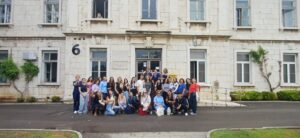
Day 2: From ideas to a strong solution concept
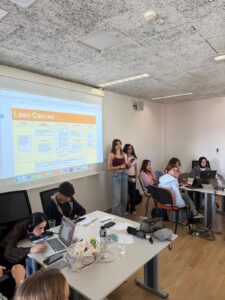
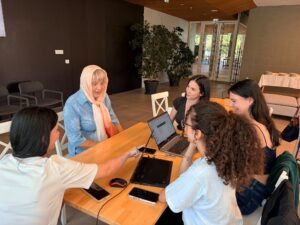
On the second working day, students moved from problem understanding to solution development. Teams reviewed and expanded their ideas, created “How might we…?” questions, grouped similar solutions and selected the most promising concepts. They then used the Social Innovation Lean Canvas to further develop their ideas, considering the problem, target users, proposed solution, social value, key partners, resources, expected impact and key assumptions.
Day 3: From solution concept to prototype and pitch
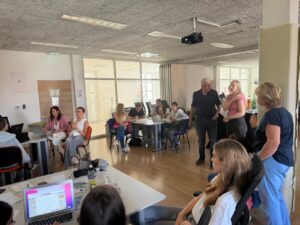
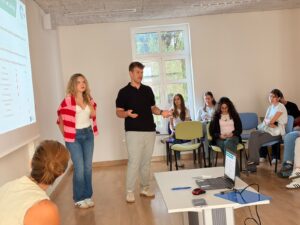
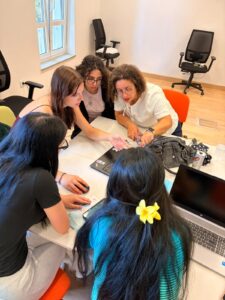
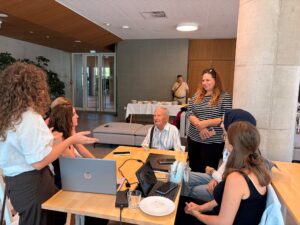
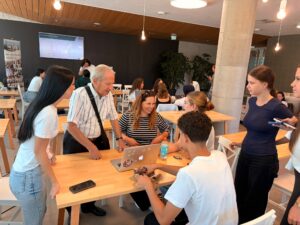
The third working day focused on prototyping, user testing and pitch presentation. Students transformed their selected concepts into simple prototypes or visual representations. A particularly valuable part of the day was the testing session with three older adults. Student teams had the opportunity to present their ideas and prototypes, receive direct feedback and better understand whether their proposed solutions were clear, accessible, useful and relevant to the people they were designed for. Based on the feedback received from the testers, peers and facilitators, student improved their ideas and prepared short pitch presentations structured around the user, problem, key insight, solution, prototype, next steps and remaining uncertainties.
Final Day: Demo Day and Project Conference
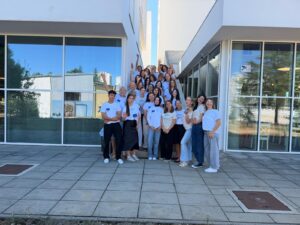
The Learning Expedition culinated in the INVITE Demo Day, where 18 students, organized into four teams, presented the outcomes of their incubator work to an expert jury. The student pitches demonstrated how their ideas had developed from real user insights into concrete solution concepts and simple prototypes for more inclusive digital healthcare. Following the presentations, the expert jury selected the winning teams, recognizing the students’ creativity, empathy, teamwork and ability to develop user-centred solutions responding to real community needs. The Demo Day served as a strong conclusion to the student Social Innovation Incubator, showcasing the potential of young people to contribute meaningful ideas for more accessible, understandable and inclusive digital healthcare.
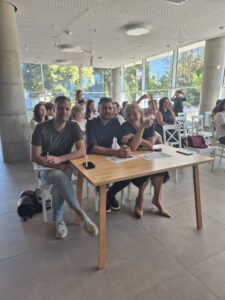
The final day also featured the Project Conference, organized by the University of Zadar, bringing together project partners, teachers, education and healthcare stakeholders. The conference served as an important dissemination activity, providing a platform to present the INVITE project, its key outputs and results, and to share the experiences gained througout the project implementation.
The programme opened with a welcome address by Vice-Rector Zvjezdan Penezić, who introduced the University of Zadar, its work, departments and role in supporting education, research and community engagement. Proffesors Marija Ljubičić and Ivana Gusar from University of Zadar presented the main project achievements, including the INVITE curriculum and Open educational rsources, the Social Innovation for Inclusive Digital Healthcare Toolkit, and the implementation of the OERs and Social Innovation Incubators in partner medical vocational schools.
By combining student presentations with a broader project-level discussion, the final day highlighted both the practical outcomes of the student innovation process and the wider value of INVITE in strengthening digital skills, user-centred learning and social innovation in medical vocational education.